
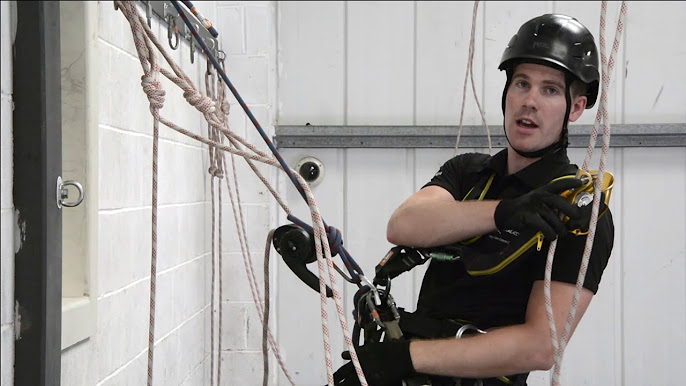
In today’s competitive industries, safety and efficiency are at the heart of business success. Many companies are now turning to IRATA courses to ensure their teams can handle tasks at height with professionalism and care. These specialised programmes not only train workers in technical skills but also instil the discipline required to meet international safety benchmarks.
High-access work, from construction and maintenance to energy and infrastructure projects, brings unique risks. Employers who invest in certified training demonstrate commitment to protecting their workforce and their reputation.
Why Safety Training is a Business Essential
Accidents at height remain among the most serious risks in industrial and commercial environments. Certified high-access training prepares employees to use the right techniques and equipment, reducing the chances of falls, injuries, or costly delays.
For employers, this is more than a safety box to tick. It translates directly into fewer interruptions, fewer compensation claims, and stronger compliance with regulatory standards. Companies that invest in training show clients and stakeholders that they prioritise safe and responsible operations.
Building a Skilled and Reliable Workforce
Businesses thrive on skilled employees who can adapt to demanding projects. Certified training equips workers with advanced knowledge, whether it involves rope access, equipment inspection, or emergency procedures.
This expertise fosters confidence among employees, encouraging them to perform tasks more effectively and efficiently. It also provides peace of mind for managers, who know they can rely on trained professionals to deliver high-quality work under challenging conditions.
Enhancing Reputation and Client Trust
Reputation is one of the most valuable assets in business. When a company demonstrates strong safety standards through certified training, it strengthens its position in the marketplace. Clients are far more likely to trust and hire contractors who have a proven record of training and safety compliance.
Certified programmes often follow internationally recognised standards, offering reassurance to customers that projects will be handled by competent professionals. This level of trust can be the difference between winning contracts or losing them to competitors.
Reducing Costs and Maximising Efficiency
At first glance, certified high-access training may seem like an expense. However, businesses quickly discover it is an investment that pays back many times over. Well-trained employees are less likely to make costly mistakes, damage equipment, or require extensive supervision.
Efficient practices learned during training reduce downtime and improve overall productivity. In industries where project delays can result in significant financial losses, this efficiency offers a clear commercial advantage.
Supporting Employee Retention and Morale
Investing in staff development shows employees that their employer values their safety and career progression. Certified training boosts morale, as workers feel more secure in their roles and proud of their professional qualifications.
High levels of engagement often lead to lower staff turnover. Retaining skilled employees reduces recruitment costs and ensures consistent expertise within the business. In turn, this creates a stable workforce capable of handling demanding projects with minimal disruption.
Preparing for Future Business Growth
As industries expand and projects become more complex, businesses need teams that can adapt to new challenges. Certified training future-proofs companies by equipping staff with transferable skills and knowledge that meet global standards.
This positions organisations to take on larger, more technically demanding contracts with confidence. In competitive markets, the ability to demonstrate an experienced and well-trained workforce can open doors to new opportunities and higher-value projects.
The Long-Term View
Certified high-access training is not simply about compliance or box-ticking. It is a long-term strategy that delivers measurable benefits for businesses. From reducing risks and costs to building trust and opening new opportunities, the return on investment is clear.
For employers, the message is straightforward: prioritising workforce training means prioritising the success and sustainability of the business. In a landscape where safety, reputation, and efficiency drive growth, investing in certified training is not just an option—it is a necessity.