Modern art spaces are designed to inspire, provoke thought, and create an atmosphere that enhances creativity. One design element gaining attention in these spaces is hardwood wall cladding, which brings depth, warmth, and sophistication to otherwise plain interiors. Unlike paint or simple wall finishes, this natural material introduces both texture and narrative, ensuring that the space itself becomes a part of the artistic expression.
The Natural Appeal of Hardwood
Hardwood has long been admired for its durability, richness, and timeless elegance. In art spaces, it provides a natural contrast to contemporary installations and sleek materials such as glass, steel, or concrete. The organic grains, varying tones, and tactile qualities of wood create a canvas of their own, helping visitors feel more grounded while viewing exhibits. This balance between natural beauty and modern design elevates the overall atmosphere of the gallery or studio.
Texture as a Visual Element
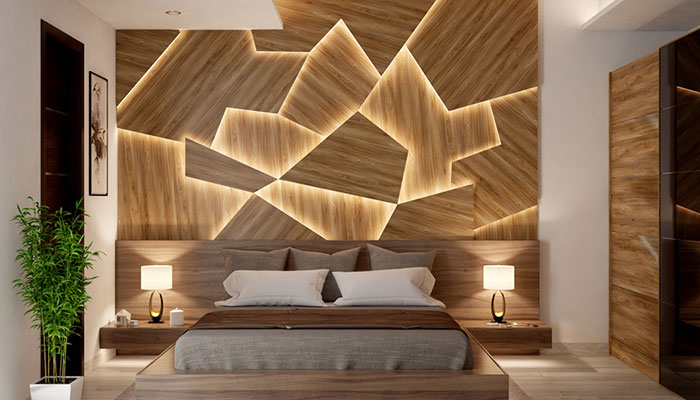
In art environments, texture is not limited to paintings or sculptures. The walls themselves can contribute to the sensory experience. Hardwood wall cladding adds layers of visual interest through subtle ridges, patterns, and grains that change under different lighting conditions. This interplay between texture and light enhances spatial dynamics, ensuring the walls never fade into the background but instead participate actively in the visitor’s experience.
Warmth and Atmosphere
Art spaces can sometimes feel stark, especially when dominated by minimalism or industrial design. Hardwood provides a counterbalance, introducing warmth and comfort without distracting from the works on display. Its natural hues and tones make visitors feel welcome, creating a more relaxed and engaging environment. This sense of warmth is essential in transforming a space from a neutral container of art into a harmonious setting where art and architecture work together.
Enhancing Acoustics in Art Spaces
Visual impact is not the only benefit of using wood. Many modern galleries and studios also value the acoustic qualities that hardwood wall cladding provides. Wood absorbs sound in ways that concrete or glass cannot, reducing echoes and creating a more intimate atmosphere. This is particularly valuable in spaces where visitors interact with performances, lectures, or guided tours, allowing conversations and sounds to feel clearer and more immersive.
Flexibility in Design
Hardwood is versatile, making it a suitable choice for a wide range of artistic settings. From minimalist panels that support a contemporary theme to intricate patterns that reflect cultural heritage, wall cladding can be adapted to suit the character of the space. Designers can experiment with different stains, finishes, and arrangements to highlight or contrast with the artworks on display, ensuring each installation feels unique.
Sustainability and Modern Expectations
With growing attention on sustainable design, hardwood wall cladding also aligns with environmentally conscious values when sourced responsibly. Many modern art spaces are adopting sustainable materials to reduce their ecological footprint while still achieving striking aesthetics. Using responsibly managed wood not only benefits the planet but also communicates a strong message of environmental awareness to visitors, aligning the space with modern values.
Creating a Dialogue Between Art and Space
Perhaps the greatest strength of hardwood in art settings is its ability to create a dialogue between the art on display and the environment in which it is presented. Rather than existing as a passive backdrop, wood contributes its own character, shaping the way viewers perceive and interact with the pieces. The warmth, texture, and presence of hardwood help foster deeper engagement, making the overall experience more memorable.
Conclusion
In the world of modern art, every element of the environment matters. Hardwood wall cladding goes beyond functionality, acting as both a visual and emotional anchor within creative spaces. Its natural beauty, acoustic benefits, and design versatility make it a powerful tool for curators and designers who wish to craft spaces that resonate with visitors. By combining artistry with architecture, hardwood ensures that the space itself becomes an integral part of the creative journey.