
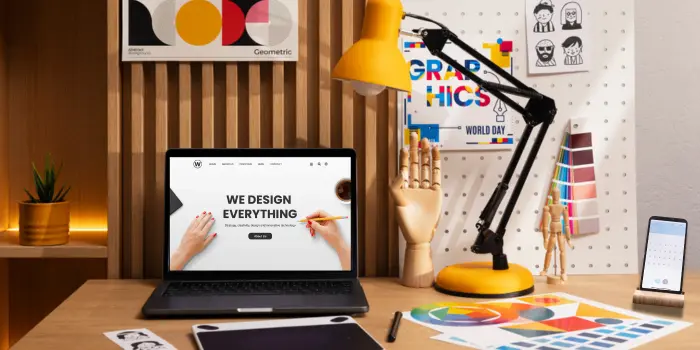
When it comes to web design, it’s not just about making a site look good—it’s about creating an experience that resonates with users and drives conversions. A seamless, intuitive experience can turn a casual visitor into a loyal customer, and that’s the goal of any website. At its core, web design is an art form—an art that blends aesthetics with functionality, making it crucial to get it right. A website design agency Hertfordshire can help bring your vision to life while focusing on the details that will make your site work harder for your business.
From simple layout choices to intricate user interface elements, each decision contributes to how users perceive your brand and interact with your services.
The Importance of User-Centric Design
User experience (UX) is the bedrock of effective web design. The simpler and more intuitive the experience, the better. A website that’s easy to navigate, with clear calls to action and logical flow, will engage visitors and keep them coming back. For example, ensuring your site is mobile-responsive is a basic necessity today. With increasing numbers of users accessing sites via smartphones, a site that doesn’t perform well on mobile devices is a missed opportunity.
UX design goes beyond just how the website looks—it’s about making sure your audience’s journey is frictionless. Every decision, from font choice to button placement, should guide users toward conversion, whether that’s filling out a contact form, purchasing a product, or signing up for a newsletter.
Optimising Your Site’s Visual Appeal
First impressions count. It only takes a few seconds for visitors to judge the visual appeal of your site, and if it doesn’t feel inviting or professional, they’ll likely leave. As part of an engaging user experience, web design must strike the right balance between aesthetics and function.
Colour schemes, typography, and imagery all contribute to creating a positive emotional response. These elements should not only match your brand identity but also create a sense of trust and familiarity. A clean and organised layout with visual hierarchy ensures that the most important content grabs attention immediately, leading users through the page without overwhelming them.
Creating Clear and Actionable Calls-to-Action
One of the simplest ways to drive conversions is through clear, compelling calls-to-action (CTAs). These are the buttons or links that encourage users to take the next step, whether it’s “Buy Now,” “Learn More,” or “Contact Us.” CTAs must be easily identifiable, placed in prominent spots, and worded in a way that elicits a sense of urgency or value.
Effective CTAs drive user interaction and, ultimately, conversions. They should also be consistent across your site, ensuring that visitors know exactly where to click to take action. Additionally, consider testing different variations of your CTAs to see which ones resonate best with your audience.
Focusing on Speed and Performance
A website’s performance is integral to its success. Slow loading times can turn users away, often before they even see what your site has to offer. A delay of just a few seconds can significantly impact bounce rates and conversions.
Optimising your website’s speed is an essential part of web design. From compressing images to minimising unnecessary scripts, every small change can have a big impact on how fast your site loads. Plus, search engines like Google prioritise fast-loading websites in their rankings, which can positively influence your visibility and traffic.
SEO: The Invisible Power Behind Every Great Website
SEO is the driving force behind a website’s ability to be discovered by search engines. Integrating SEO into web design from the start is crucial for long-term success. Keywords, metadata, and image alt text all play a part in making your site more discoverable to users.
An SEO-friendly website ensures that your content is accessible and visible to the right audience. By optimising for both the user and search engines, you set your site up for greater traffic and higher conversion rates. Search engine optimisation should be an ongoing process, but it’s essential to build the right foundations during the design phase.
Responsive Design: Essential for All Devices
Responsive web design is a must in today’s mobile-first world. A website that adapts seamlessly to different screen sizes—whether on desktop, tablet, or mobile—ensures a consistent user experience. As more and more users browse on mobile devices, having a site that’s responsive is no longer optional—it’s a necessity.
Responsive design also contributes to SEO, as search engines now prioritise mobile-friendly websites in their rankings. A website that provides an optimal experience across all devices is likely to rank higher and be favoured by users.
Continuous Improvement: Iterating and Evolving
The world of web design is constantly evolving. Trends change, technologies advance, and user expectations shift. Therefore, a successful website requires ongoing updates and improvements. Regularly reviewing site performance, user feedback, and analytics will highlight areas for optimisation.
A website design agency can help you with these iterative updates, ensuring that your site remains relevant and effective in driving conversions. By keeping your website fresh and in line with user needs, you maintain its ability to convert visitors into loyal customers.
Conclusion
The art of web design is about more than just looks. It’s about crafting an experience that resonates with users and encourages them to take action. By focusing on user-centric design, optimising visual appeal, implementing clear CTAs, and ensuring fast performance, you can create a website that not only attracts visitors but also converts them into customers. Continuous improvement and an eye on SEO and responsive design will ensure your website remains a powerful marketing tool for years to come.