
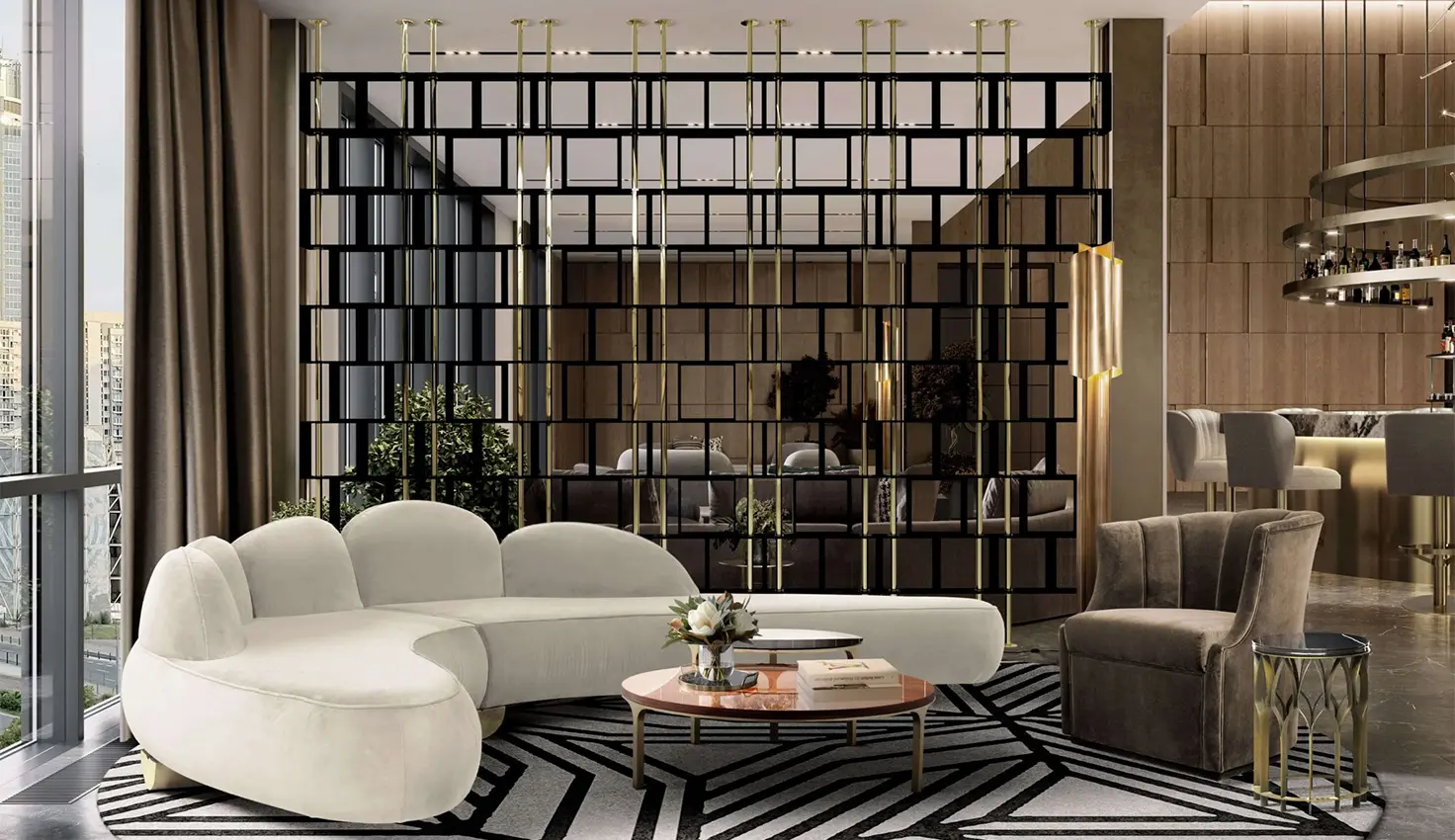
Art doesn’t have to hang on a wall. In modern interiors, functional art transforms the everyday into something expressive, merging aesthetics with practicality. Among such creations, room divider panels stand out as sculptural statements that shape space while adding beauty. In recent years, the room divider UK market has seen a surge in innovative designs that balance artistic craftsmanship and interior versatility.
The Intersection of Function and Aesthetics
Traditionally, room dividers served a single purpose — to separate areas within a space. Today, they are more than partitions; they are integral design elements that influence flow, light, and atmosphere. Artists and designers are turning these once-simple screens into works of functional art, experimenting with materials like wood, glass, metal, and fabric to produce pieces that both define and adorn a room.
A well-crafted divider can visually connect or isolate areas without the permanence of walls. In open-plan homes, they add rhythm and depth — turning a vast living area into zones for dining, reading, or work. For small apartments or studios, they provide privacy without reducing openness, proving that creativity can solve spatial challenges gracefully.
Artistic Expression in Everyday Living
Modern room divider panels reflect the shift toward living spaces that express personal identity. Each design tells a story — intricate wood carvings may evoke traditional artistry, while minimalist metal frameworks convey modern restraint. Abstract patterns or nature-inspired motifs transform an ordinary divider into a conversation piece, adding texture and emotion to an otherwise plain room.
Some artists use laser-cut steel or etched glass to project shifting patterns of light, creating dynamic artworks that evolve throughout the day. Others integrate textiles, hand-painted surfaces, or recycled materials to celebrate sustainability and craftsmanship. These details elevate dividers from mere functional pieces to enduring statements of individuality.
Adapting to UK Interiors
Across the UK, where homes often balance heritage architecture with contemporary interiors, room dividers are finding diverse applications. In Victorian townhouses, intricately carved wooden panels blend seamlessly with high ceilings and period detailing. In contrast, minimalist apartments in London or Manchester benefit from sleek, modular designs that optimise light and movement.
The climate and lifestyle of UK homes also influence design choices. Many residents value natural light, prompting the use of translucent or glass dividers that preserve brightness while maintaining separation. For those living in smaller urban flats, folding or sliding partitions offer flexibility — opening up space when entertaining or closing off areas for privacy when needed.
Material and Design Innovation
The artistry behind modern room dividers lies not only in form but also in innovation. Designers are experimenting with sustainable woods, eco-resins, and composite materials that ensure longevity without compromising on style. Geometric shapes, laser etching, and fluid patterns bring a sense of motion, turning dividers into sculptural installations.
For homes that embrace biophilic design, woven bamboo, rattan, and living green walls are popular options. These materials introduce natural warmth and organic beauty into contemporary spaces, creating harmony between indoor aesthetics and the outdoor environment.
Creating Zones Without Compromise
Room divider panels allow homeowners to reimagine their spaces without the cost or permanence of renovations. In home offices, they serve as elegant backdrops for video calls, lending a professional yet artistic ambience. In living rooms, they create cosy reading nooks or intimate dining corners. In larger spaces, dividers can guide flow and balance — framing views or concealing less aesthetic areas without blocking air or light.
Beyond residential use, they have also gained traction in commercial spaces. Art studios, boutique stores, and cafés use decorative panels to divide and define, allowing flexibility while maintaining cohesive design themes.
Personalisation and Custom Artistry
The charm of room divider panels lies in their adaptability. Homeowners can commission bespoke designs to complement their interiors — from laser-cut motifs reflecting cultural heritage to modern abstract forms that echo personal style. Artists often collaborate with clients to create pieces that align with a home’s character, merging utility and artistry into something deeply personal.
Some dividers even incorporate lighting or mirrored surfaces to amplify visual impact. Others feature acoustic panels, offering both aesthetic and functional benefits in open environments. The result is an intersection where creativity meets craftsmanship, producing art that enhances daily living.
A Future of Flexible Design
As open-plan and multi-purpose spaces continue to dominate UK interior trends, room divider panels will remain central to spatial storytelling. Their dual nature — part architecture, part art — aligns with the evolving desire for flexibility, sustainability, and individuality in design.
Whether crafted from reclaimed wood or precision-cut aluminium, these pieces bridge the gap between creativity and practicality. They prove that walls need not be static or soulless — they can breathe, reflect, and inspire.