The healing power of art has long been recognised as a bridge between emotion and expression. In psychotherapy South Dublin, practitioners increasingly incorporate art into therapeutic approaches, allowing clients to communicate feelings that words cannot always capture. This combination highlights the potential of creativity to transform mental wellbeing.
The Role of Art in Therapy
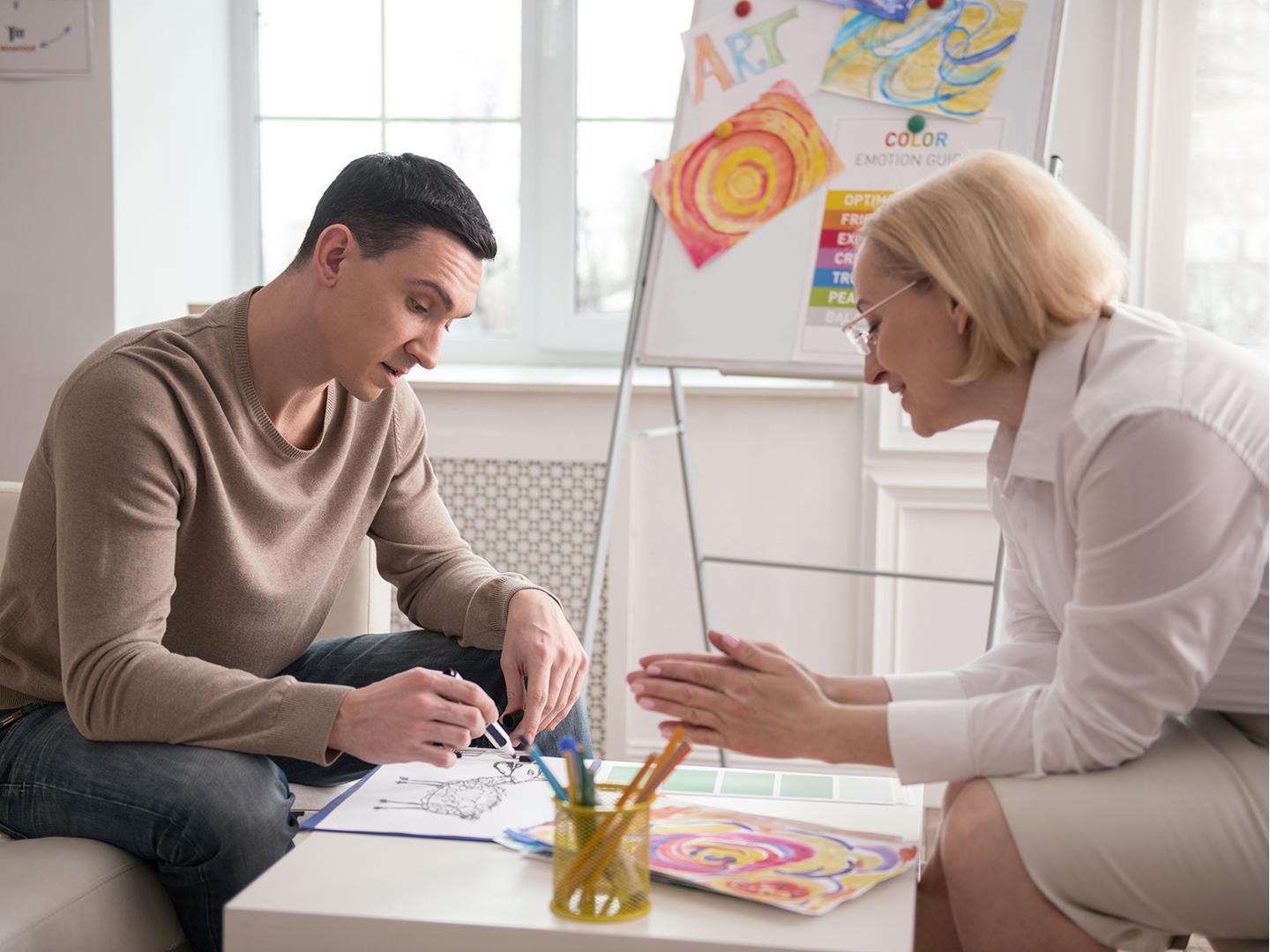
Psychotherapy traditionally relies on dialogue, reflection, and structured techniques to uncover hidden emotions. However, many individuals struggle to verbalise their experiences, especially when trauma or deep-seated pain is involved. Here, art offers an alternative. Painting, drawing, sculpture, or even music can become vehicles for self-expression, enabling people to externalise thoughts in symbolic form.
Engaging in creative activities within a therapeutic setting provides not only a sense of release but also a way for therapists to better understand underlying issues. The artwork itself becomes a starting point for discussion, helping both the client and therapist gain new insights.
How Creative Expression Promotes Healing
Art engages different areas of the brain than speech, activating pathways associated with memory, imagination, and emotion. By working visually or through other creative forms, clients can bypass the limitations of language and directly access their inner world.
This process offers several benefits:
- Emotional release: Art provides a safe outlet for expressing anger, sadness, or fear.
- Stress reduction: The act of creating can be calming and meditative, lowering stress levels.
- Increased self-awareness: Producing artwork often reveals themes or patterns not obvious through conversation.
- Empowerment: Creating something tangible can restore a sense of control and achievement.
For individuals facing anxiety, depression, or grief, such benefits can significantly enhance the healing journey.
Psychotherapy in South Dublin
Within South Dublin, the integration of art into psychotherapy reflects a growing awareness of holistic care. Local therapists and wellness centres increasingly embrace creative methods, offering sessions that combine talking therapy with artistic practice. This approach resonates strongly in a community that values both tradition and innovation, where mental health support is being reshaped to include more diverse tools for recovery.
Workshops and therapy groups in the region often highlight how accessible art can be. One does not need formal training to benefit—scribbles, shapes, or colours can carry profound meaning. The emphasis is always on expression rather than artistic skill, ensuring inclusivity for all participants.
Different Forms of Creative Therapy
Art in psychotherapy is not limited to drawing or painting. Other approaches include:
- Music therapy:
Using rhythm and sound to explore emotions and improve mood. It can reduce anxiety, regulate breathing, and enhance relaxation. Group sessions also encourage connection and shared expression through sound.
- Dance and movement therapy:
Allowing the body to express what words cannot. This approach improves body awareness, relieves physical tension, and supports emotional release. It also helps reconnect individuals with their sense of freedom and creativity.
- Drama therapy:
Role-playing and storytelling as pathways to self-discovery. It enables safe exploration of difficult emotions and personal conflicts. By embodying different roles, people often discover new strengths and perspectives.
- Writing therapy:
Journalling or poetry as reflective practices. Writing provides clarity, structure, and a safe outlet for inner thoughts. Over time, it can help track growth and identify patterns that may hold someone back.
Each form offers unique opportunities for self-exploration, and therapists often adapt them to meet the needs of the individual.
Building Resilience Through Art
Resilience—the ability to recover from setbacks—is a crucial outcome of psychotherapy. Creative expression fosters resilience by helping people reframe experiences, find meaning in difficulty, and cultivate hope. Engaging in art can spark moments of joy and creativity, even during challenging times, reinforcing the belief that healing is possible.
Conclusion
The connection between psychotherapy and art reveals how creativity can become a powerful ally in mental healing. In South Dublin and beyond, therapeutic practices that encourage artistic expression give individuals new ways to confront emotions, process trauma, and nurture resilience. By embracing these methods, psychotherapy becomes not just a dialogue but a canvas for transformation, where healing takes shape through colour, texture, and imagination.