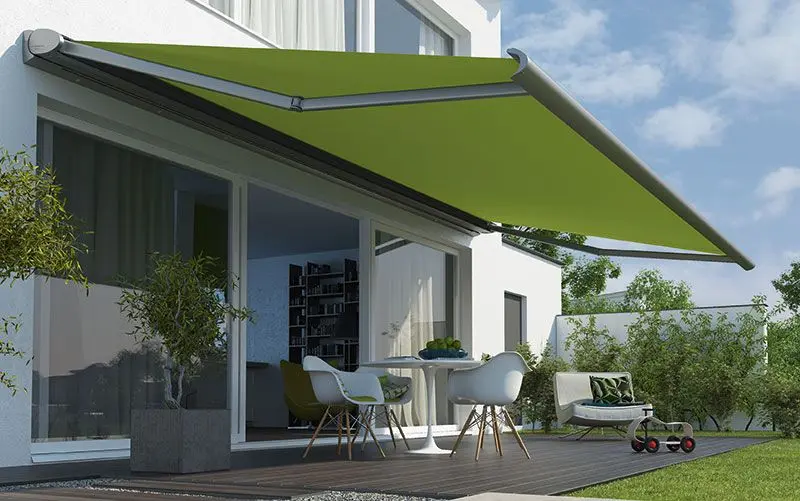
Patio awnings are no longer just practical coverings; they have evolved into artistic features that define and elevate outdoor spaces. Many homeowners and designers in search of both comfort and beauty now look to patio awnings Liverpool providers for solutions that bring flair alongside functionality. These structures, once plain and utilitarian, have become canvases for creativity and statements of style.
From bold fabrics to intricate frame designs, awnings are being seen as extensions of a property’s architecture. They do more than shield against sunlight; they add personality, colour, and a sense of artistry that can transform an otherwise simple terrace or garden.
Function Meets Design
The strength of patio awnings lies in their ability to serve two roles at once. On a functional level, they provide much-needed shade during warmer months, protect furniture from weather damage, and extend the usability of outdoor areas. On an artistic level, they act like installations, offering design features that complement the character of a building or landscape.
Patterns, textures, and colours can be tailored to reflect personal taste. Some homeowners prefer minimalist and muted shades that align with contemporary architecture, while others lean towards bold stripes or decorative motifs to create a vibrant outdoor statement.
Creative Inspiration Outdoors
Art does not need to be confined to galleries and studios. Outdoor spaces are now viewed as living canvases where architectural elements play a role in creative expression. Patio awnings are an ideal medium for this philosophy, bringing balance between aesthetic pleasure and practical necessity.
Designers often look at the natural environment for inspiration. Soft earth tones may echo a garden’s greenery, while striking geometrical prints can mirror the boldness of modern interiors. This merging of outdoor living and artistry ensures that a patio feels both comfortable and visually engaging.
Patio Awnings in Liverpool: A Local Touch
Location plays a significant role in shaping the design and function of patio awnings. In Liverpool, where weather can shift from bright sunshine to sudden rainfall, awnings provide a versatile solution for residents who value outdoor living. The city’s mix of historic architecture and modern developments creates opportunities for a wide range of styles, from classic canopies complementing older homes to sleek retractable designs in newer builds.
Liverpool’s cultural appreciation of art and music also filters into design choices. Many homeowners seek awnings that feel in tune with this vibrant character, choosing bold patterns, colours, or even customised features that reflect personal identity and local pride. By blending weather protection with creative design, patio awnings in this region become both practical and symbolic of lifestyle.
Sustainability and Modern Craftsmanship
Beyond visual appeal, sustainability is increasingly important in art and design. Patio awnings now incorporate durable fabrics, recyclable materials, and energy-efficient features. By reducing heat indoors, they contribute to lower cooling costs, making them environmentally friendly as well as stylish.
This marriage of craftsmanship and sustainability reinforces the idea that functional objects can also be works of art. A carefully designed awning not only enhances a patio’s look but also reflects values of conscious living and modern responsibility.
The Future of Functional Art in Outdoor Living
As design continues to merge with lifestyle, patio awnings stand out as an accessible form of functional art. They invite homeowners to express creativity while gaining the everyday benefits of shade, shelter, and comfort. Whether chosen for a quiet garden corner, a lively terrace for entertaining, or a stylish café frontage, awnings highlight the power of design to enrich ordinary spaces.
Patio awnings are not just additions to outdoor areas; they are statements of taste and reflections of cultural appreciation for art in everyday life. In the growing conversation about how design influences well-being and quality of living, they stand as clear examples of how function and beauty can work seamlessly together.